

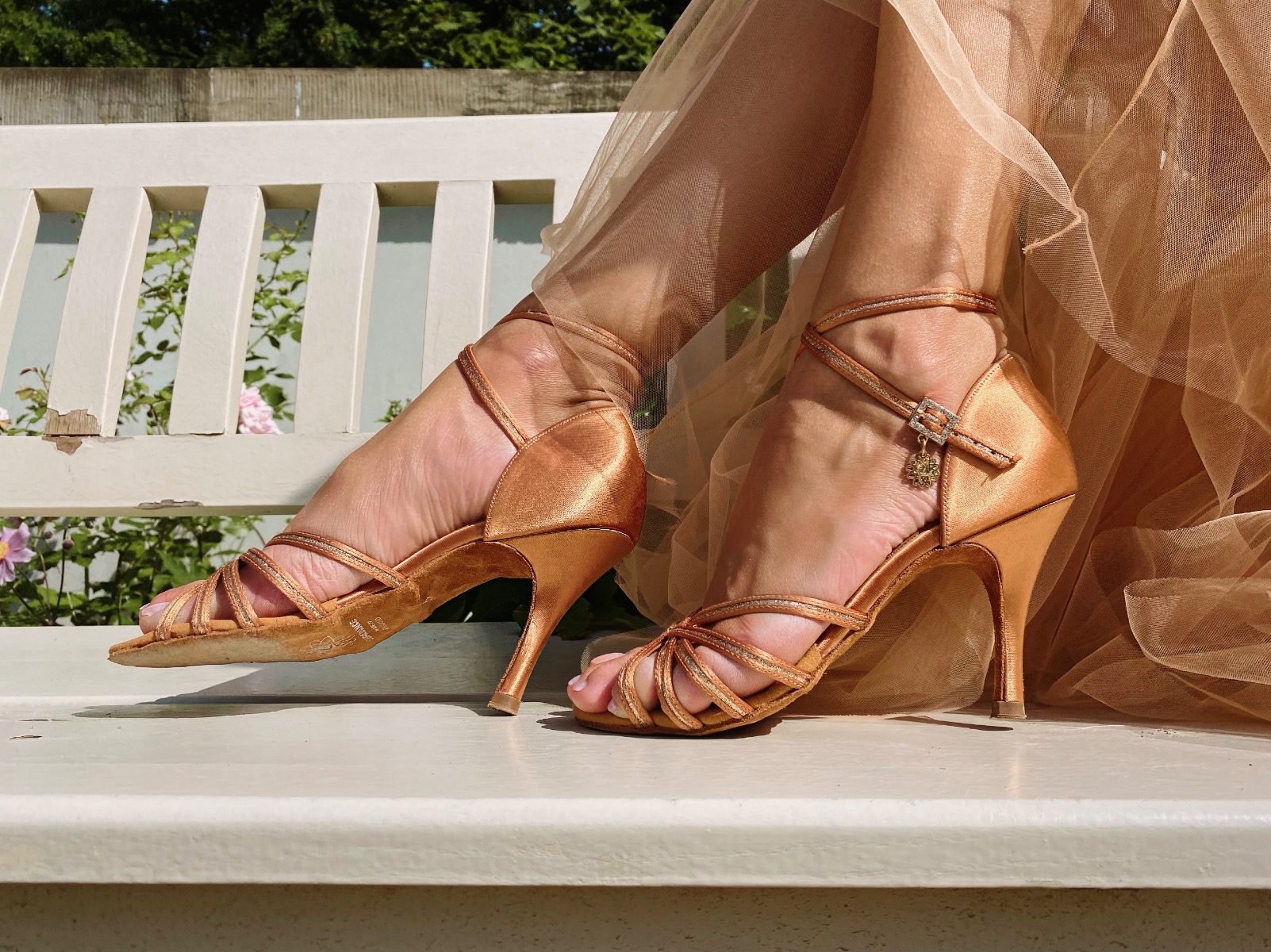
How to Choose the Right Dance Shoe
Choosing the right dance shoe is one of the most important decisions a dancer can make. The right pair will not only enhance your performance, but also support your technique, balance, and confidence on the floor.
Whether you’re just starting out or dancing competitively, understanding a few key elements can make all the difference.
1. Heel Type Matters More Than You Think
One of the most common questions dancers have is which heel to choose.
A flare heel offers a wider base, making it more stable and supportive. This is often preferred by beginners or those dancing for longer periods, such as social dancing or practice. A great example of a stable, supportive option is the Supadance 1066, which is often chosen for its balance and comfort.
A stiletto or slim heel creates a more refined, elegant line and is typically favoured by more experienced dancers or for competition. It allows for greater articulation through the foot, but requires more control and balance. One of our most popular competition styles is the Supadance 1143, designed with a higher arch and a more responsive, performance-focused fit [oai_citation:0‡supadance.com](https://www.supadance.com/style-1143-dark-tan-satin?utm_source=chatgpt.com).
2. Fit Should Feel Secure, Not Tight
A well-fitting dance shoe should feel secure on the foot without pinching.
For Latin and open-toe styles, dancers often wear their shoes slightly more fitted, as materials such as satin and leather will soften and mould to the foot over time.
Ballroom shoes, particularly closed-toe styles, should feel comfortable from the start, with enough room to maintain stability and posture. You can browse our ballroom dance shoes to see the differences in structure and support.
If you are between sizes or unsure, trying shoes in person can make a significant difference.
3. Material Affects Both Feel and Durability
Different materials offer different benefits.
Satin is the most traditional choice, offering a soft, elegant finish that can be dyed to match costumes.
Leather provides durability and structure, making it a great option for practice shoes or frequent use.
Coagulated (coag) materials are often chosen for metallic shades such as gold or silver, as they maintain their appearance over time and are more resistant to wear. You can explore our full range of dance shoes across different materials and finishes.
4. Choose the Right Shoe for Your Style
Latin and Ballroom shoes are designed very differently.
Latin shoes are more flexible, allowing for pointed toes and greater foot articulation, making them ideal for faster-paced dances. You can explore our full collection of Latin dance shoes to see the variety available.
Ballroom shoes offer more support through the sole and structure, designed for smooth movement and control across the floor. If you're unsure which style suits you, you may find our guide to ballroom dances helpful.
Choosing the correct style ensures your technique is properly supported.
5. When in Doubt, Try in Person
While online shopping is convenient, trying shoes in person can be invaluable - especially if you are unsure of sizing, fit, or heel preference.
Being able to feel the balance, support, and comfort of a shoe often makes the decision much clearer. Supadance is now available to try in-store at Bloch Covent Garden.
Final Thoughts
The right dance shoe should feel like an extension of your foot - supportive, elegant, and effortless.
Taking the time to choose correctly will not only improve your dancing, but also your overall experience on the floor.
Ready to find your perfect pair? Explore the full collection at www.supadance.com.